It's a mental model you need to flip to understand much of history until the modern era. Far from the prudish and uninformed ingénue of Jane Austen novels, farther still from the disinterested and desexed ideal Victorian housewife, in many of our ancestors' imagination, it was women who were the more sex-crazed gender.
From the ancient Greeks and for centuries thereafter, women were thought to be ruled by a compulsive libido, too weak to control their primal urge to make babies. Forget locker rooms; kitchens and washhouses were where moral danger lay. Girls will be girls, you know?
Far from an excuse for women to let their freak flag fly, the belief was one more reason to control their movements, behaviours, or dress. Men, superior creatures that they were, experienced desire too but could tame their animal instincts to be moral and productive citizen. It was their great burden too to keep our hunger in check – through restrictive marriages and endless pregnancies.
History is full of let's call them interesting ideas about women's sexuality. The ancient Greeks believed in the "wandering womb" – the idea that a woman's womb traveled through her body and made her ill. (I can't shake the mental image of a cartoon uterus on foot, à la Schoolhouse Rock. "I'm just a womb, yes I'm only a womb..." 🎶) Medieval Europeans, more generously, believed that a woman's orgasm was necessary for conception. The Victorians, who never disappoint when it comes to sex and gender, believed masturbation would drive one to madness. The illustrations are fun.
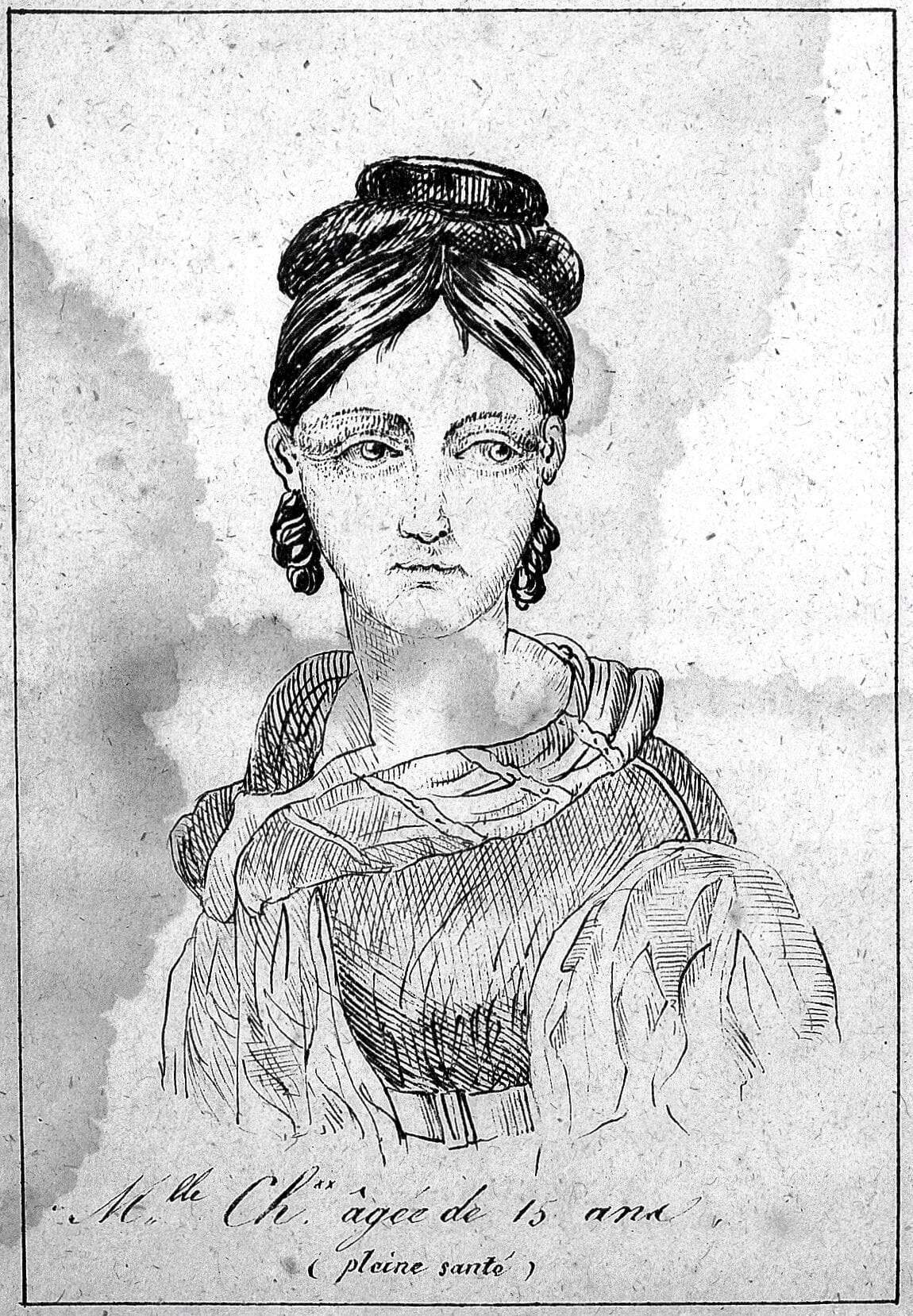
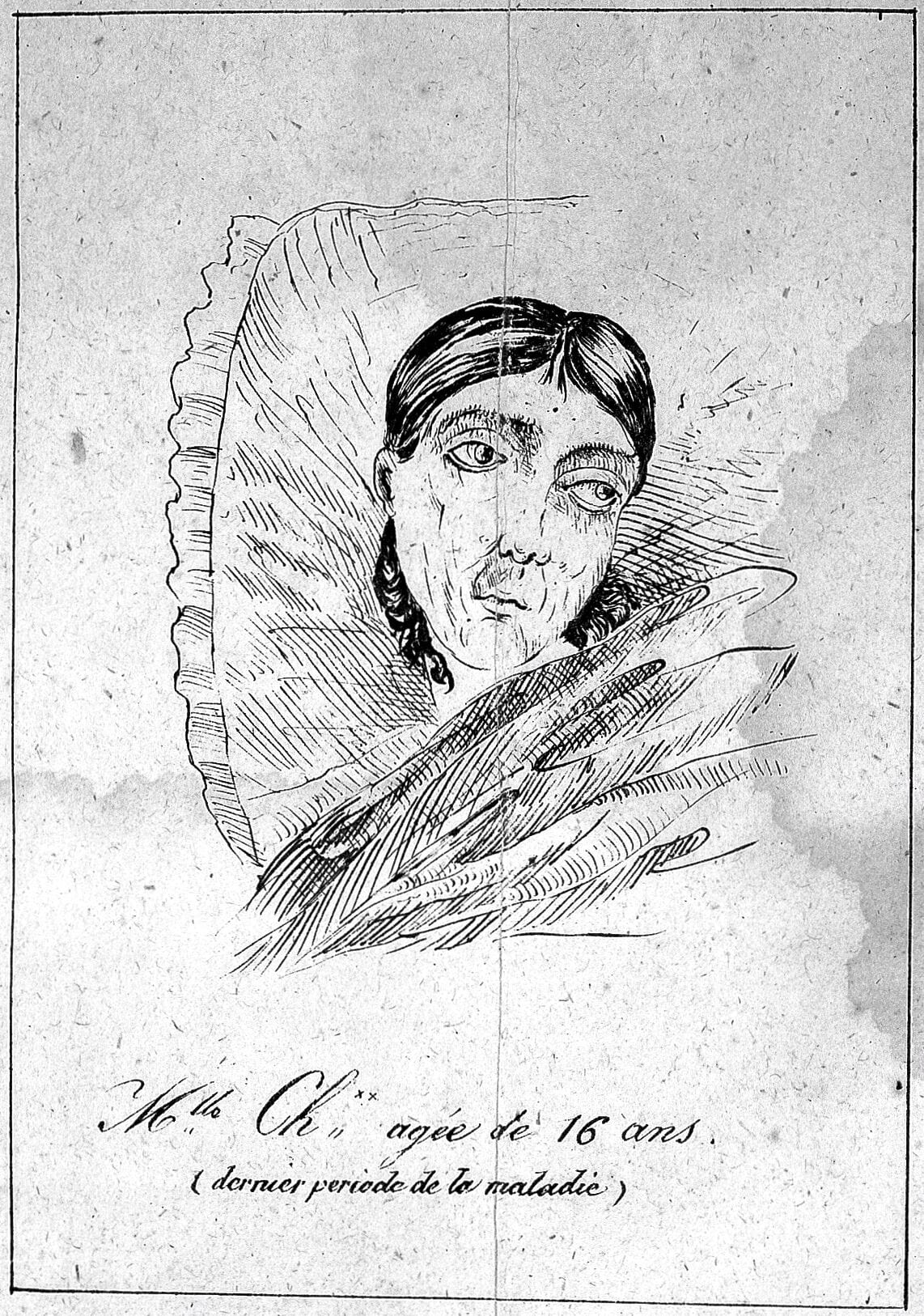
The before and after pictures, according to a 19th-century pamphlet "approved by a medical doctor", of a teenage girl who has discovered masturbation (in L'onanisme; ou dissertation physique sur les maladies produites par la masturbation, Samuel-Auguste Tissot, 1836, public domain via the Wellcome collection).
This week's episode is a bit of candy. I had a blast talking to history podcasting royalty, Dr Kate Lister, host of Betwixt the Sheets, about the history of women's pleasure, which is the topic of her new book, Flick.
Don't listen with kids – or your parents – in the room.
What else?
- This should be a community space! If you have work you'd like me to highlight to other Broad History readers, send it on.
- Welcome to new members Judith and Ana! Do join the very cool people who make Broad History possible.
- Unbreaking is a collective of volunteer journalists, scientists, and other knowledge workers – overwhelmingly women – keeping a record of institutional collapse in the United States. Here they're keeping track for future generations of how the administration is altering the historical record.
- Friend and BH reader George Anders wrote for The Wall Street Journal about what the 1920s tech boom can teach us about surviving the AI revolution.
- Happy Mothers' Day to listeners who are both American and moms. There's got to be a few. The Atlantic has a wonderful article about Mary Cassatt, the American painter whose works on maternity will illustrate many a greeting card tomorrow and whose radicality – as always when an artist's work is commoditised – has been completely washed away.
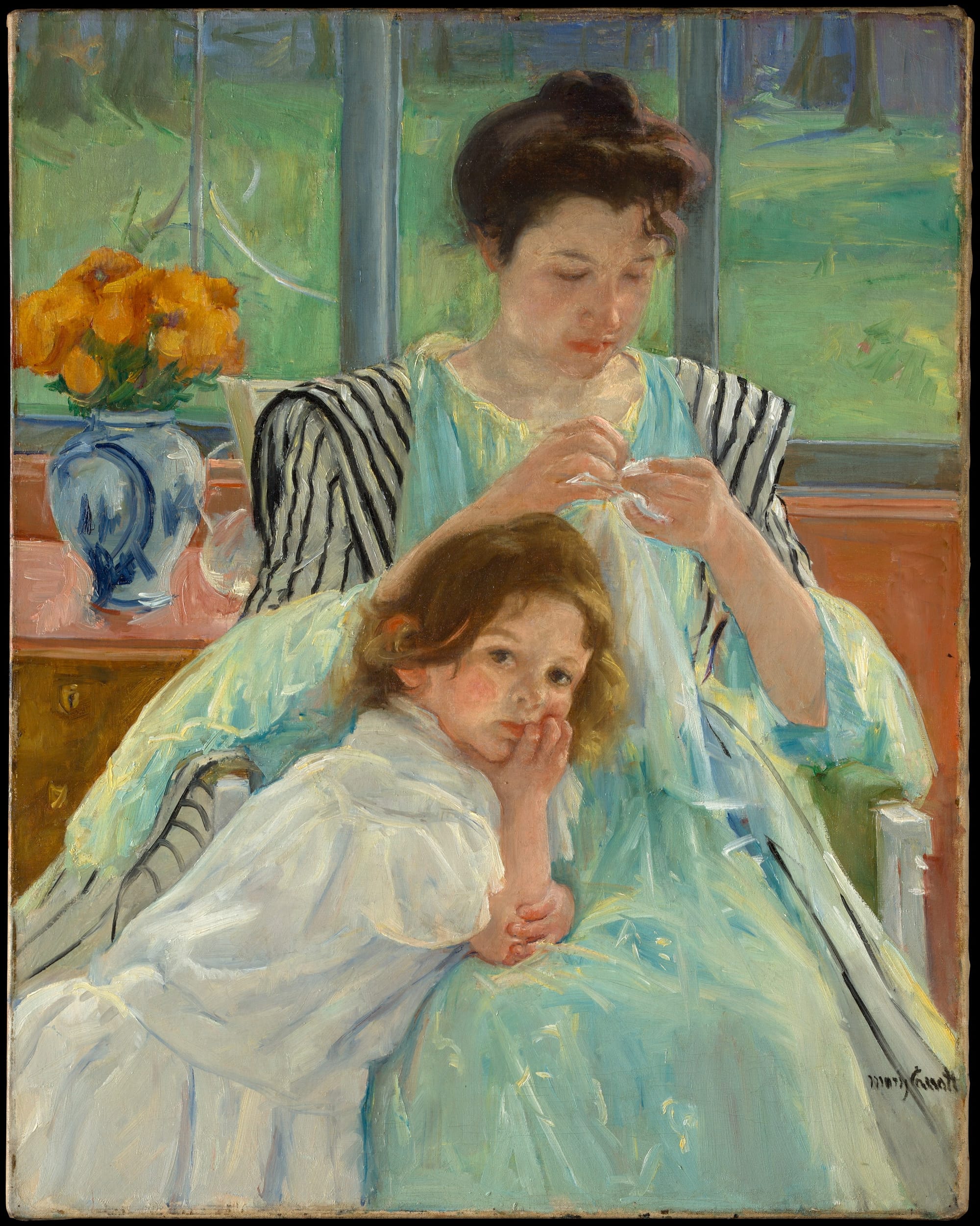
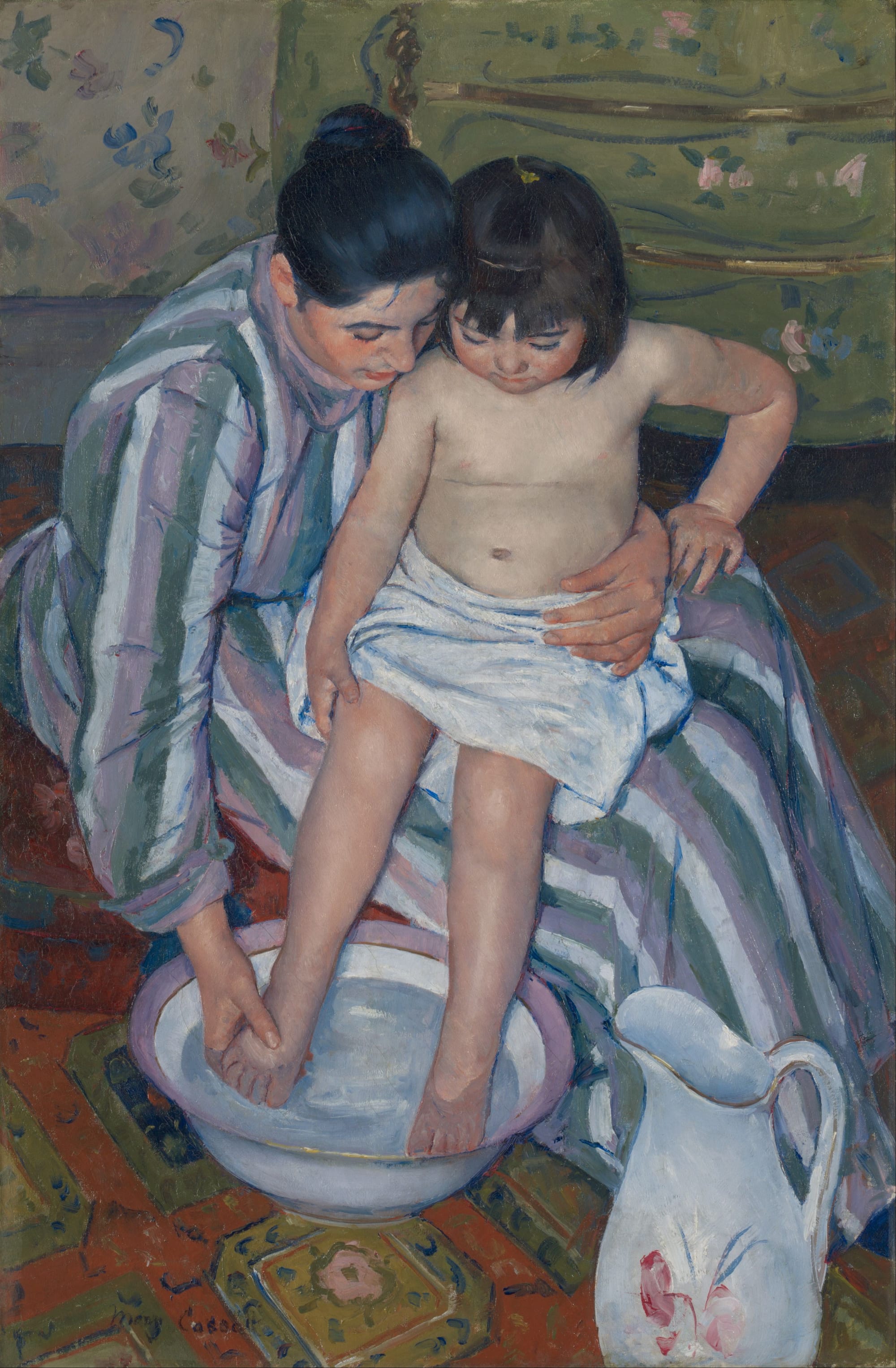
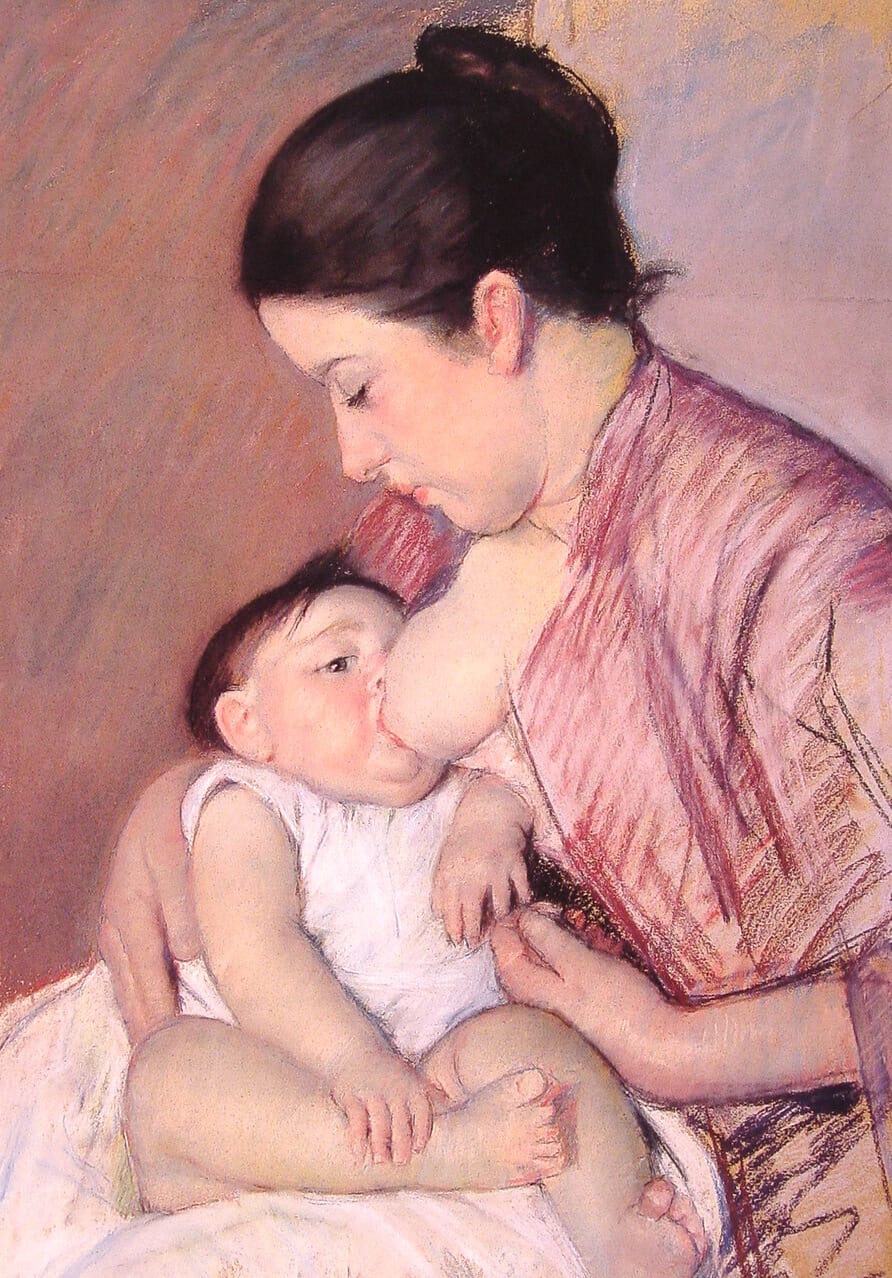
Young Mother Sewing (1900), The Child's Bath (1893), Maternité (1890), all by Mary Cassatt. Public domain via Wikimedia Commons.