A big thank you to those who answered the call last week and gave me a very happy birthday by becoming members of Broad History and supporting this work. Welcome Jacqueline, Patrick, Janet and Naomi!
Didn't get to it but still want to join? I'm leaving the birthday sale on until the end of the day. That's a 30% discount, today and today only. I'm not getting any younger.
You can listen to the episode here, or watch my unedited interview with Julia Cooke on Youtube.
When I was a kid, growing up and dreaming of becoming a journalist – a constant since about the fall of the Soviet Union – my heroes were men.
I wanted to travel the plains of Africa with Joseph Kessel. I wanted to cross the Yukon with Jack London. I pictured myself as both the hero and the writer of Jules Verne novels.
I don't think I ever consciously thought, "oh, I won't be able to do that because I'll be a woman." I don't think that's how representation works. I just didn't have a mental image for it because the culture didn't have an image for it. Women roaming the world for stories just weren't in my books. They weren't on my tv. They weren't romanticised. And so logically I concluded, again probably not consciously, that they just hadn't existed yet. The best that well-intentioned people could tell me was, "yes, Isabelle, you can do that. You can do anything. And you'll be the first, how cool is that?"
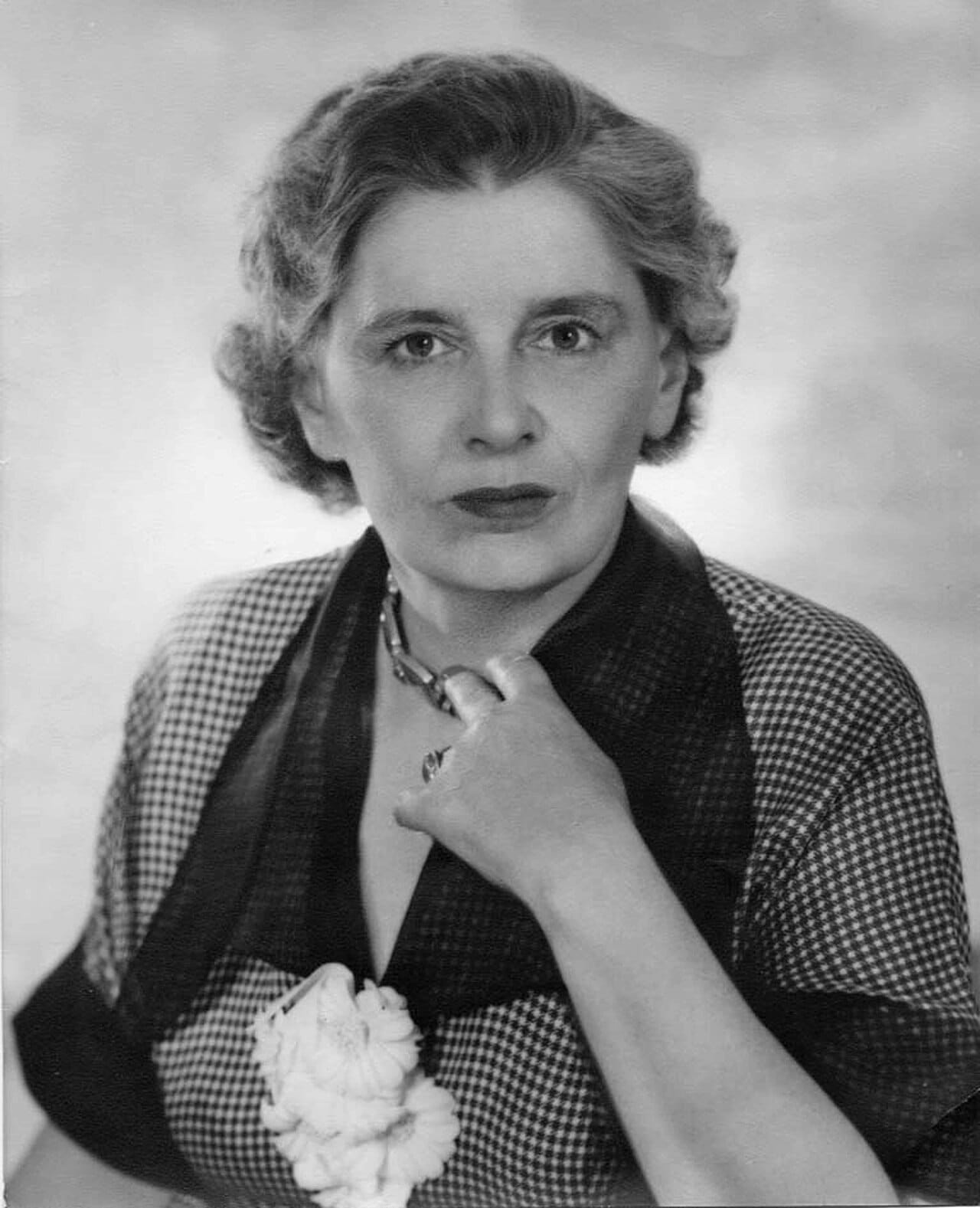
I think that gets to the crux of why we do women's history, why a project like Broad History even exists. We get to this in the second half of my interview with Julia Cooke today. Julia mentions this famous quote by Virginia Woolf: "Women have no history." And here's how I understand it.
Men are allowed progress, evolution, change. There is exploration and conquest, scientific discovery, political revolution and innovation. A young man who enters the world gets to iterate it. History is movement. For women, the centuries are static. Our past is portrayed to us as some eternal and natural domesticity, where only the hemlines and the appliances change. Women have one job: standing still.
When we step out of that sphere, since we're made to accept as our only sense of the past and our only foundation national histories that barely include us in the march of the centuries, we don't get to build on previous generations' work. Everything feels new, undone, a first. The lives of women don't iterate. We start from scratch every time.
Without history, there is no roadmap. You have to blaze a trail everywhere you go. That's harder than it needs to be and it's exhausting. And there's only so much you get to do in one lifetime, before your daughters and granddaughters start from scratch themselves. That's what keeps us down.
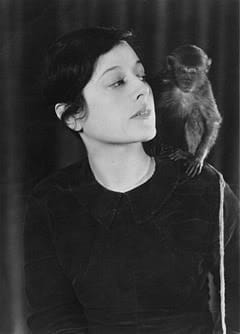
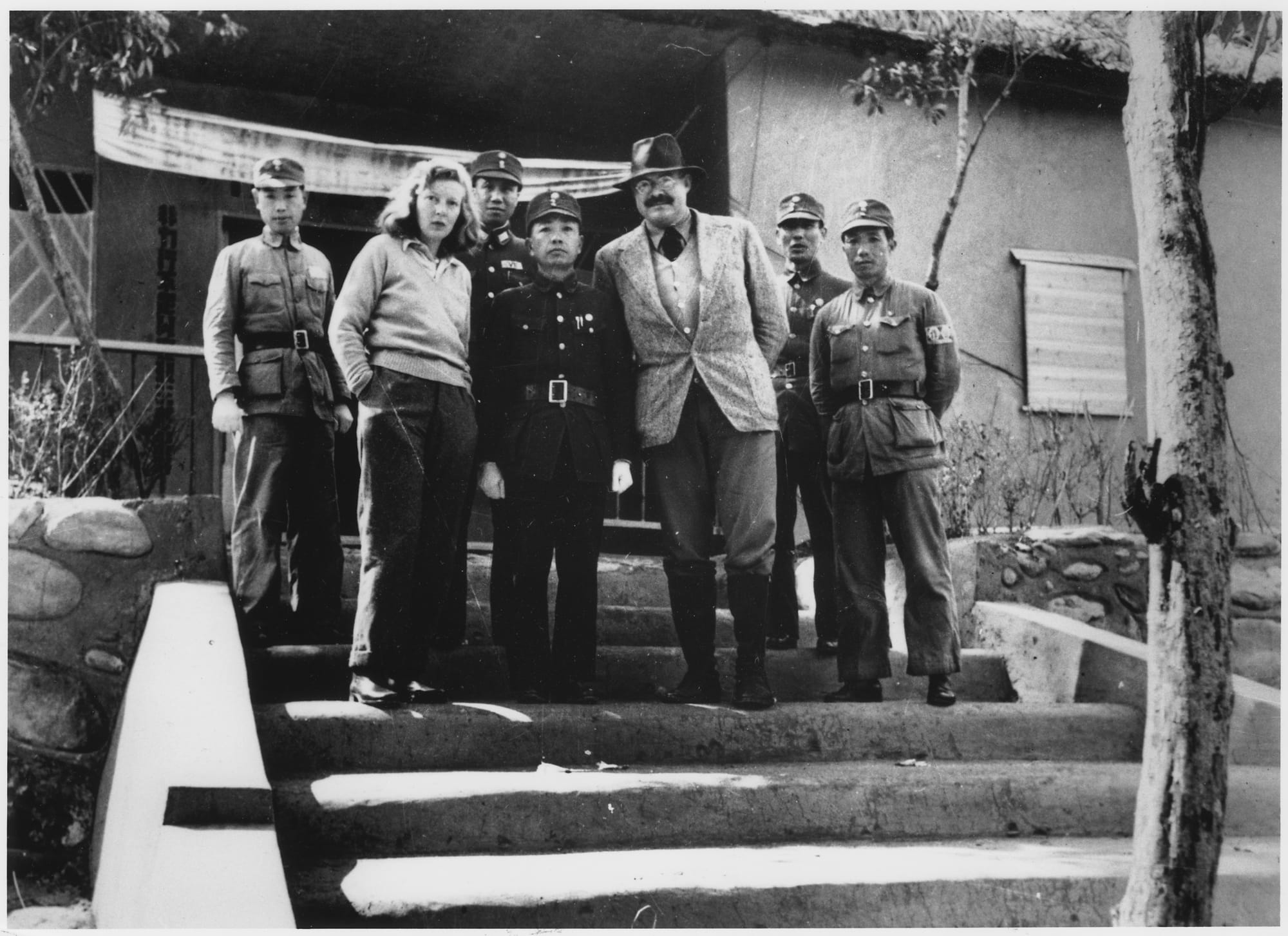
That's why I feel so strongly about giving women back their history and why there's such an urgency to it right now. So today I'm adding three incredible world-roaming journalists – Rebecca West, Martha Gellhorn, and Mickey Hahn – to 10-year-old Isabelle's personal pantheon. They had existed.
Buy the book
All book sales support Broad History, independent bookstores and the authors who give us their time and knowledge. And they're cheaper for you, too.
Broad History has reviews!
We've got a dozen ⭐️⭐️⭐️⭐️⭐️ ratings and our first two reviews! This makes me very happy. If you've got nice things to say, go ahead and say them on Apple Podcasts or on Spotify. This really helps surface the show to new listeners. Thank you!
Bobs and bits
- How does questionable history become common knowledge? Dr Florence H R Scott, who has the best-titled newsletter on the women's history circuit, addresses an Easter myth.
 Dr Florence H R Scott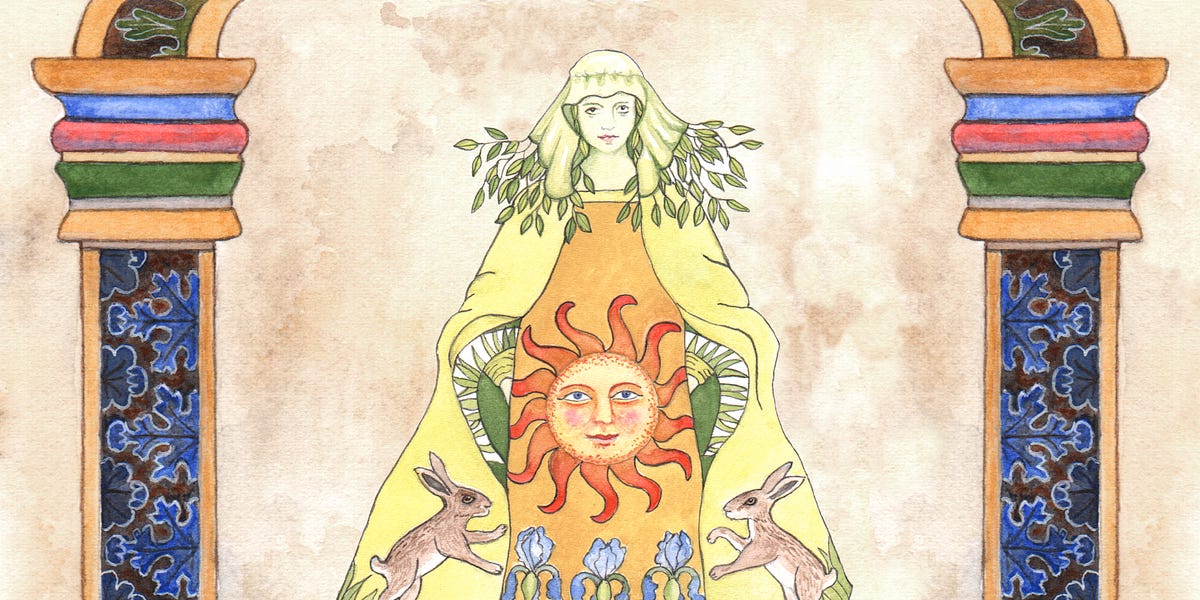
- Anne Helen Petersen is one of my favourite writers and an absolute inspiration for how to do community-centric independent journalism well. She just wrote about women doing their husband's job searching and my God, must we really carry the whole world all the time?
- Here's the 1972 article in The Atlantic about the New Journalists' self-mythologizing that Julia Cooke mentions in the episode.
 Michael J. Arlen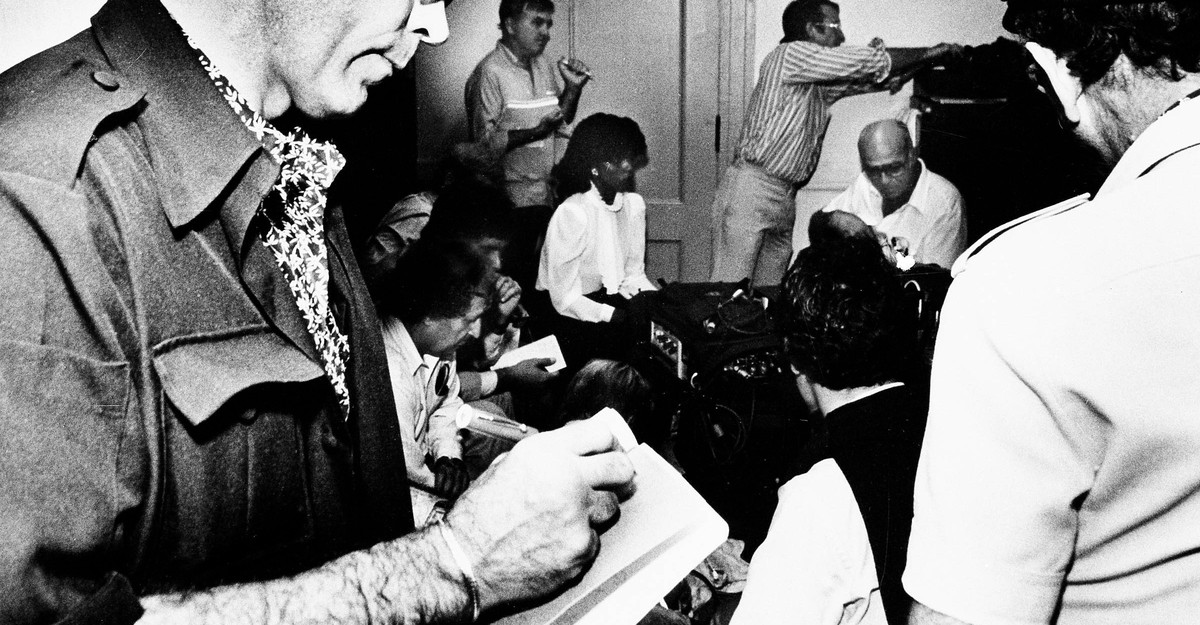
- Hat tip to Ben Werdmuller (another stunning newsletter) for pointing me to this piece by Julien Genestoux on our complicity in the death of the open Web. I'm thinking about this a lot as I've been playing around with publishing on Substack again. Everything I've written about how they're playing to their own incentives, which will eventually turn against independent publishers and already has, remains true. But it also feels like being the only girl in high school not going to the party and telling her friends not to do drugs. Broad History needs growth or it will die. I've been publishing online for 20 years and I don't think I've seen a more difficult environment for audience growth yet. Resisting the siren's call of the last place that promises growth is not easy, even when you can see all the strings.