Today's episode is a two-parter. Members can binge both right away! Join now, support independent podcasting and get your fill of this fascinating conversation about the American frontier. And that's not all: I'm preparing a multi-part series on the American revolution for the summer and members will get all of that, with bonus episodes, the second it's ready. So sign up!
The myth of the American frontier took shape just as the frontier itself was ending. It was in 1893 in Chicago that historian Frederick Jackson Turner presented his influential thesis that the frontier – the "raw edge of civilisation" that American settlers had pushed further and further west, all the way to Hawaii where they had toppled the indigenous monarchy just a few months earlier – was the keystone of American nation-building. The United States was not born of Europe; it had been made in the West.
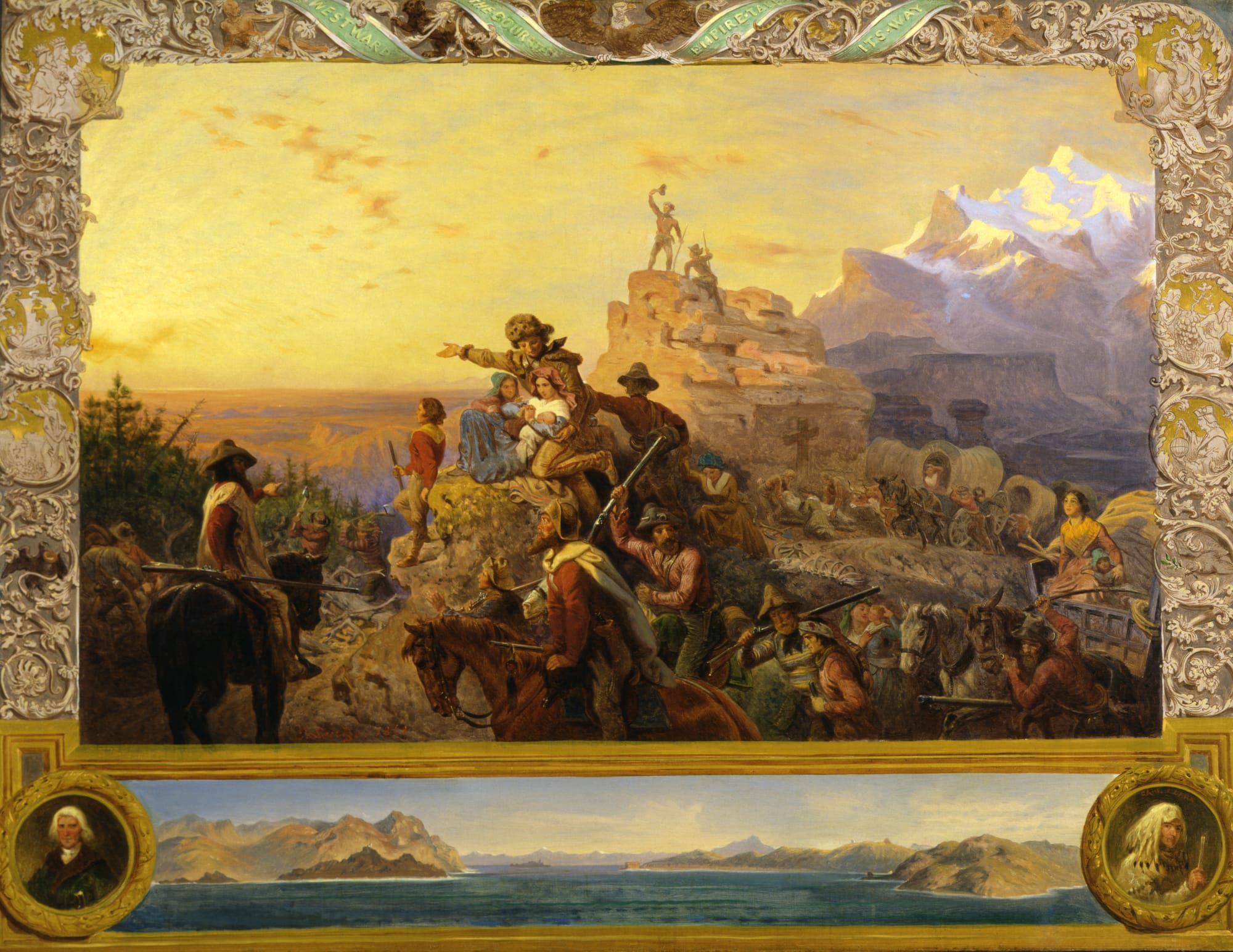
Turner's thesis – on which my guest this week, Megan Kate Nelson, opens her book The Westerners – was building on an idea already very familiar and held as near-religious canon by 19th-century Americans – manifest destiny. It posited that westward expansion was the natural and moral obligation of the United States, a gift from and duty to God to expand civilisation and populate the continent all the way to the Pacific. The original man spread. In this story, women only have a supporting role as the helpful wife or dutiful daughter. Or they're the foil, the sassy antagonist with dubious morals, nearly always a prostitute or a madam. The conquering white man and his technology pushes relentlessly west as wild people and wild beasts flee his advance. Nowhere is it more obvious than in 19th-century art of the American West, which inevitably moves right to left.
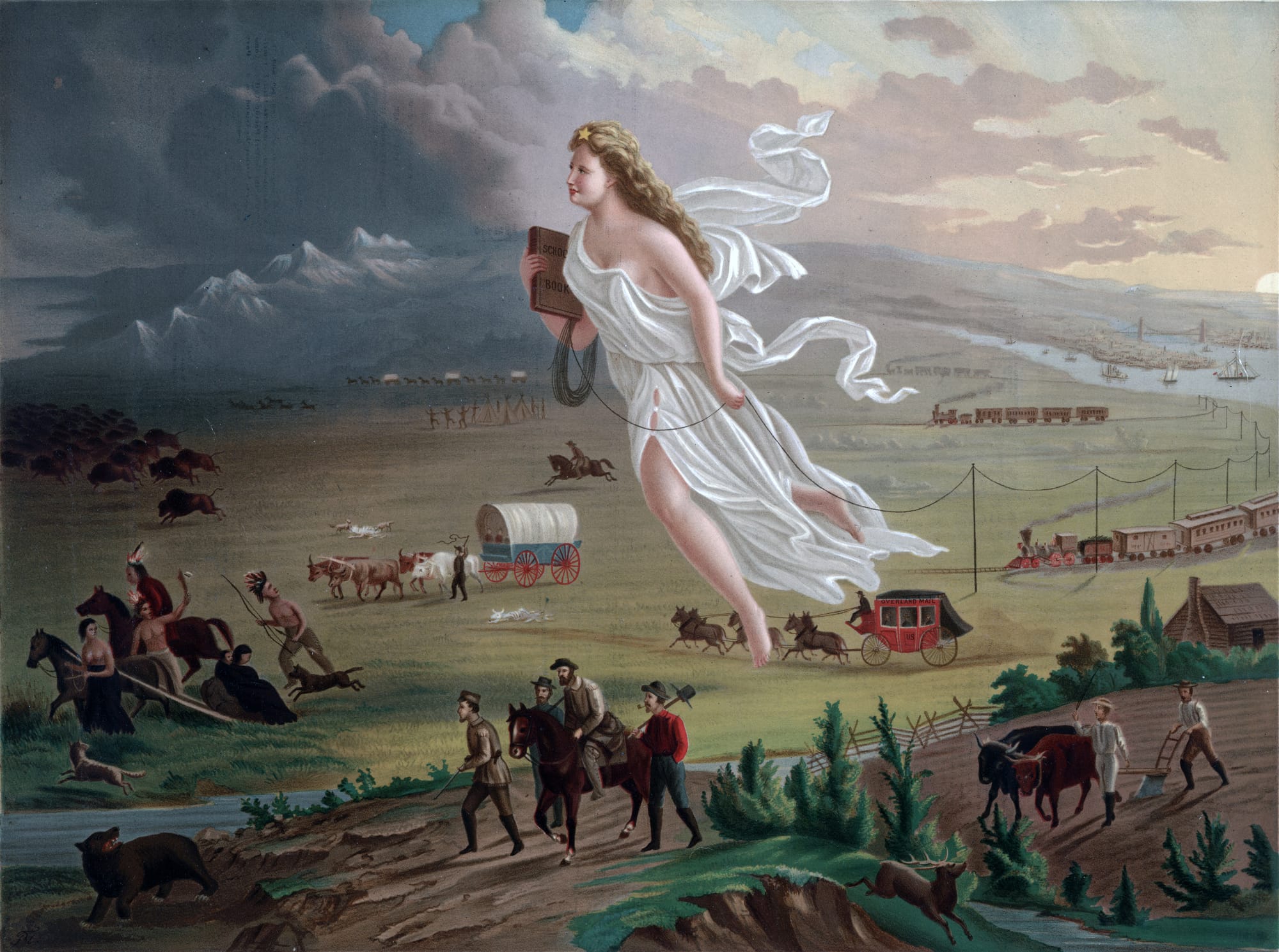
Like all empires, US expansionism required the belief that the land to be settled was virgin territory, dark and unexplored, that there was little to displace and that whatever there was, was inferior and would benefit from conquest. No one is the bad guy of their own story. Megan Kate Nelson is here to complicate that tale.
Westward expansion is an undeniable fact of US history. But before and during the settlement of White Americans, the land west of the Mississippi was already crisscrossed by trade and travel routes and inhabited by many varied cultures: hundreds of indigenous bands, French fur traders, Spanish settlers, newly independent Mexicans, Chinese immigrants, enslaved or formerly enslaved Black men and women, and many people whose story bridged several of those cultures. Movement happened west to east, north to south and south to north, and yes, sometimes from the right to the left of the picture.
In The Westerners, Megan Kate Nelson presents seven unexpected life stories in the American West. We explore two today in the first half of our conversation. (Sign up for membership to binge both episodes right away.)
The first is probably the more famous one – Sacajawea, the Shoshone and/or Hidatsa woman who guided the 1804-1806 Lewis and Clark expedition up the Missouri river and all the way to the Pacific Ocean, not discovering but opening up the West to East Coast settlers. History doesn't say whether she came to regret the help she gave; she died too young, in 1812, to see its effects. Sacajawea is a well-known figure, at least to Americans, but Nelson's telling is the first time I see her depicted as a full individual, including her life before and after the fated expedition (which, this will never cease to amaze me, she guided as a postpartum teenage mum breastfeeding an infant the entire time).
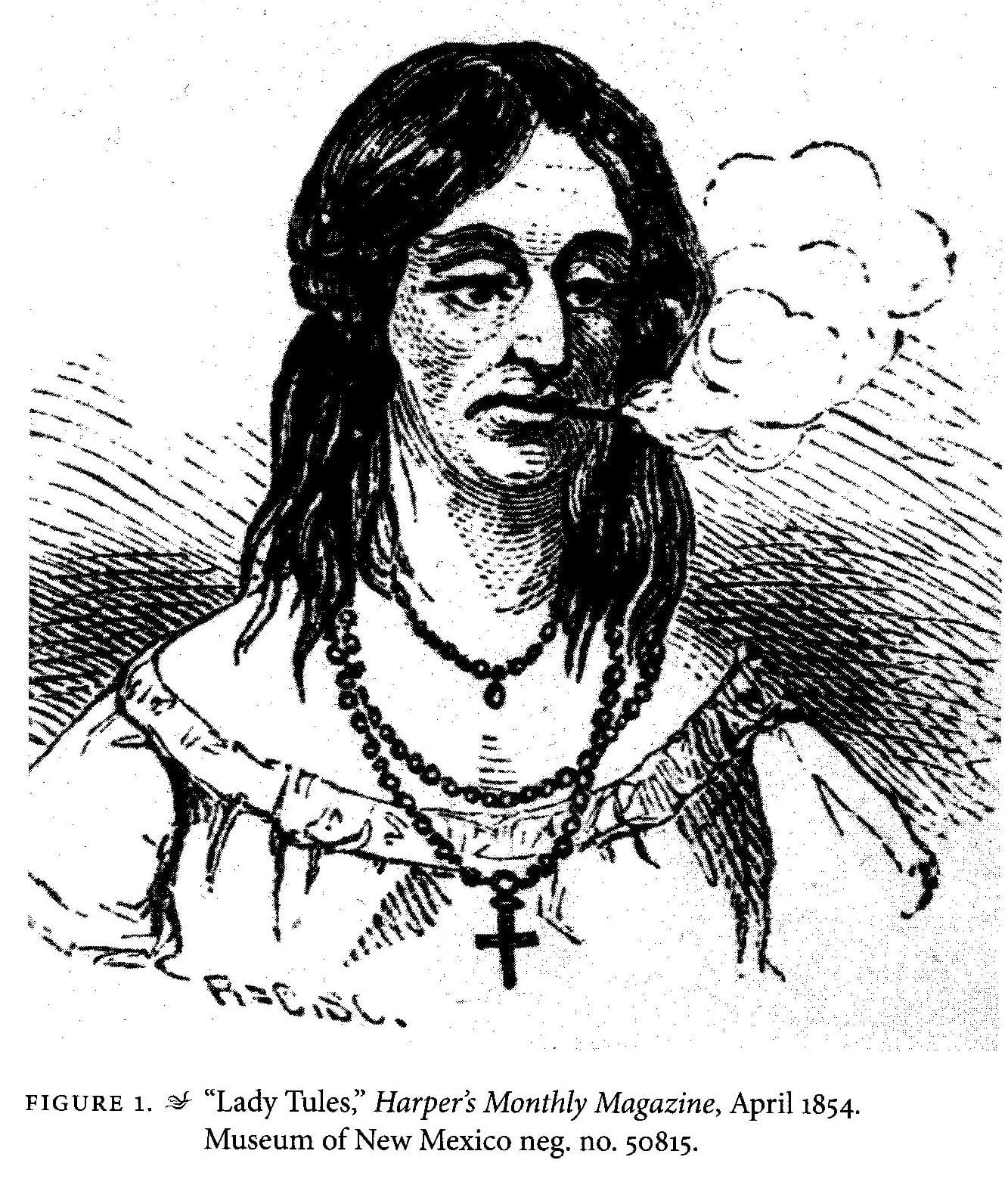
The second is more obscure but wasn't in her day. Maria Gertrudis Barceló was the richest woman and a power broker in the New Mexico territory. Her travel was south to north but also through the many national identities of the Southwest. She was Spanish first, then Mexican, and died an American. All without moving all that much. She made her future as a skilled Spanish monte dealer. A gambler, as much the Internet still identifies her, but really she was a casino owner and a wise investor, who wasn't afraid to take anyone to court who tried to swindle her. She was the consummate American pioneer – plucky, self-reliant, entrepreneurial, no nonsense... but she was a woman and Hispanic so she didn't fit the story America wanted told. She was a tourist attraction in her lifetime then largely faded into obscurity.
Those two women tell us the story of the pre-Civil War era, a multi-civilisational space that isn't yet the world of homesteaders you might picture when you think of the West and looks much more diverse than an episode of Little House on the Prairie. To explore that homestead universe and how different it actually was from the story trad wives are trying to tell us, check in in two weeks or sign up for membership and listen right now.
But for now, listen to the episode and let me know what you think or ask follow-up questions in the comments. I'll get to all of them.
In other news
- Welcome to new Broad History member, Louise! Join her in supporting this project at broadhistory.com/membership.
- You can now also give a gift membership! If you'd like to share BH with a friend, just click below. This will send you a gift card for a non-renewable one-month or one-year membership which you can share with anyone you love.
- Jason Koebler writes about his brain becoming "the AI police" and the exhaustion of constantly trying to parse what's AI and what's real. Hard relate. You wouldn't have noticed, but the Broad History website has an AI pledge, which I updated this week – precisely because I don't want you to have to play AI police when you engage with me. Yes, with me. Broad History is a super personal project and while I use AI loads in my processes (coding things on the website, analysing traffic data, keeping a project tracker of so! many! books!), I never use it for the words that travel between me and you. Promise.
 Jason Koebler